If I asked a third grader what the word “epic” means, they’d likely tell me that epic stands for awesome, incredibly fun, unforgettable. Some examples of epic things that come to mind: a room full of golden retrievers, all you can eat fro-yo with a full toppings bar, or free tickets to Disney World. All epic by my standards at least.
Now, if I flipped the narrative and asked an English teacher what epic means, they’d tell me it stands for a long poem relaying the legendary acts of heroes. At least here in the west, most of the epics we think of come from ancient Greece: The Iliad, The Odyssey, maybe even Argonautica. I also have faint memories of running across Beowulf in a middle school literature class; we clearly only read the happiest stories in seventh grade.
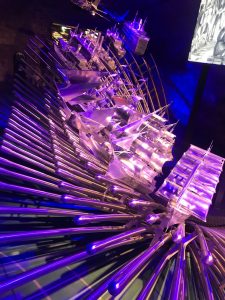
The first question I had when stepping into the EPIC Museum in Ireland was what form of the word they were aiming to convey in their exhibits. EPIC chronicles the history of Irish emigration, explaining why people left and where they ended up. After spending a couple of hours exploring the exhibition, I believe that they intended to combine both meanings of the word. The museum tells the story of a culture who’s sent millions of brave souls on journeys across the world and whose people have made epic contributions wherever they landed.
With Ireland’s long history of failed revolutions, famine, and economic hardships, it’s easy to think of Irish history as a series of depressing events. Couple that with the fact that over two million people left the country during the famine and the island still hasn’t made up the population loss, and it’s hard not to feel bad for the Irish people. The designers that put together the EPIC museum understood that version of history and they actively chose to tell a different story.

The museum focuses on the incredible contributions that Irish people have made to communities around the globe. The exhibit halls chronicle the historic works of art, music, and literature that sprang from Irish emigrants, along with the scientific discoveries and athletic accomplishments of Irish people worldwide. The whole setup of EPIC conveys one clear message: the Irish are fiercely proud of their international impact and their identity. They don’t want visitors to look at Ireland with pity, but rather with awe at the greatness that came from such a small island.
I loved the deep sense of national pride that was running through EPIC and I appreciated that the museum didn’t try to shy away from Irish history. It talked about the discrimination, economic hardship, and social challenges that caused people to leave Ireland, but it didn’t stop there. The EPIC museum chooses to extend the story of Irish identity beyond the borders of Ireland. It recognizes and celebrates the fact that the millions of people who have left Ireland throughout the years haven’t become less Irish when they reach other countries. Instead, EPIC argues that these people have used their Irish identities to enact long-lasting change all over the world. From start to finish, the museum revels in the contributions of those who have left the island; it’s a celebration of the truly epic journeys of emigrants.