On our way out of Dublin for the first and only time for the duration of the trip, we made a quick, much too quick if I may add, stop in Drogheda to visit the location where the very historically important Battle of the Boyne took place. The premise of the battle was a theme that has been an extremely common motif inside of our classroom, and Ireland’s history as a whole. This motif being the long contested battle between the Protestants and Catholics.
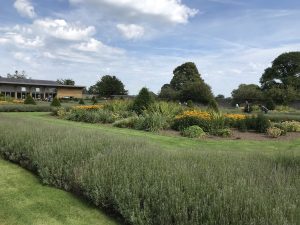
As we stood on the very ground on which William of Orange and James II of England brought their armies to fight, one of the first things I noticed was not directly related to the historical importance of the land we were walking, but instead how peaceful and relaxing it was to be out of such a large city for even a short while. Sitting on the green hills after the tour, laying in the sun, was one of the most peaceful moments of the entire trip. However, once our tour guide started delving out the historical importance of the land we were on, I began to understand the major historical implications the Battle of the Boyne has and continues to have.
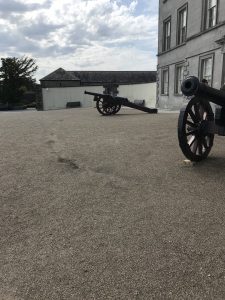
Although I knew the content was extremely important as it was an important part of a larger fight for power throughout Europe, I found following the tour guides verbal description of the physical aspects of the battle a little challenging and hard to follow. However, once we transitioned into the house and had the chance to see the battle played out through the media of a laser show, the specific details of the Jacobites’ and Williamites’ influential fight became increasingly clear. One fact shared by both our tour guide and the video we were presented with was how vastly different the two armies were. The Jacobite tribe was mainly made up of English, Irish, and French men and stood at 23,500 men. On the other side, the Williamites were composed of men from a multitude of different countries, includi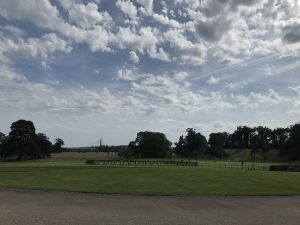 ng Denmark and the Netherlands, and was 36,000 men strong. As William of Orange defeated James, he also defeated any efforts to restore the Catholic religion in Britain. On this tour, along with most of the other tours and class readings and discussions, my mind is still blown that religion, especially two branches of the same religion, can cause such division and unrest.
One thing I thought was lacking was any mention of future impacts the battle has had or continues to have on Ireland or the UK. Although the video played for us showed the battle itself in great depth, it simply stated that the battle was very important as it has had both short term and long term impacts. With the abrupt ending, I was left wondering what these exacts impacts were. One that immediately stood out to me was the role this battle played within the troubles and the identity of Unionists in Northern Ireland as a whole. This day is celebrated by Protestant Unionists as a victory and proud moment in history. During the Troubles, and still today (though not as severe) the anniversary of the battle, July 12th, brings waves of violence as the religious rift between Catholics and Protestants is once again brought to the forefront.
Although connections can be made between the violence on this specific day to our reading of Say Nothing, I also made a personal connection to a previous experience I had in Dublin. While attending a comedy show at Whelan’s in Dublin, a joke was made regarding the fact that July 12th in Ireland and Northern Ireland is the same as July 4th in America, expect the fireworks are pointing at you instead. As I think back to this passing joke made by an Irish comedian, it is so interesting to think about how relevant and prevalent the anniversary of this battle remains still today, 329 years later. It is extremely true that the Battle of the Boyne has had lasting impacts on Ireland and Northern Ireland and will continue to for years to come.